
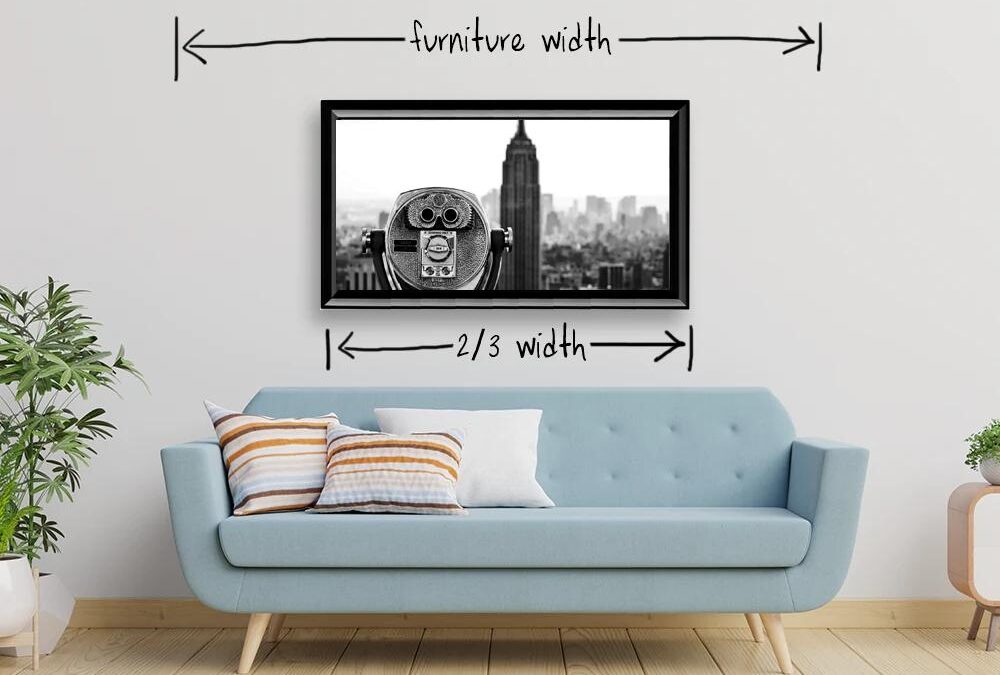
Selecting the right artwork is only part of creating a beautiful interior. Just as important is choosing the correct size of art for the space where it will hang. Artwork that is too small can feel lost on a large wall, while oversized pieces can overwhelm a room and make it feel crowded. When properly scaled, art brings balance, personality, and harmony to your living space.
Whether you are decorating a cozy bedroom, a modern office, or a large living room, understanding proportion and placement can help you display artwork with confidence.
Why Artwork Size Matters
Artwork acts as a visual anchor in a room. It helps define spaces, add color, and guide the eye throughout the home. When art is too small, walls can appear empty and unfinished. If the artwork is too large, it may dominate furniture and create visual imbalance.
The goal is to create harmony between the wall, furniture, and artwork. Properly sized art should feel intentional and naturally connected to the room around it.
Interior designers often follow simple proportion guidelines that make choosing artwork much easier.
General Rule for Wall Art Sizing
A helpful rule is that artwork should occupy approximately 60% to 75% of the available wall space. Measure the width and height of the empty wall area, excluding moldings, windows, and furniture. Then choose artwork dimensions that fill most of that space without touching the edges.
For example:
- A large blank wall may suit an oversized canvas or a gallery arrangement.
- A smaller wall between windows may work better with medium-sized framed art.
- Narrow vertical walls often benefit from tall portrait-oriented pieces.
Choosing Art Above Furniture
One of the most common decorating mistakes is hanging art that is too small above furniture. Whether above a sofa, bed, sideboard, or fireplace, the artwork should visually connect with the furniture beneath it.
Above a Sofa
Artwork above a sofa should generally be about two-thirds to three-quarters the width of the sofa.
For example:
- A 90-inch sofa pairs well with art approximately 60–68 inches wide.
- Multiple smaller pieces can be grouped together to achieve the correct visual width.


Avoid hanging art too high. Ideally, the center of the artwork should sit around eye level, usually about 57–60 inches from the floor.
Above a Bed
Bedrooms benefit from calming, balanced artwork. Art above the bed should typically span about two-thirds the width of the headboard.
Large horizontal pieces work especially well because they visually widen the space and create a restful feeling.
Leave approximately 6–10 inches between the top of the headboard and the bottom of the artwork.
Above a Fireplace
A fireplace naturally becomes a focal point, so the art above it should feel substantial enough to match its importance.
Choose artwork that:
- Is slightly narrower than the fireplace opening or mantel
- Leaves breathing room on both sides
- Complements the room’s style and scale
Oversized landscape paintings and bold contemporary pieces work particularly well above fireplaces.
Large Art vs. Gallery Walls
Both large single artworks and gallery walls can work beautifully depending on the room and style you want to achieve.
Oversized Artwork
Large art creates dramatic impact and works especially well in:
- Open-concept homes
- Modern interiors
- Minimalist spaces
- Rooms with high ceilings
A single large piece can simplify decorating while making a strong statement.

Gallery Walls
Gallery walls are ideal for:
- Smaller pieces
- Mixed styles
- Family photos combined with artwork
- Narrow hallways and staircases
The key is treating the entire arrangement as one large visual unit. Measure the overall width and height of the arrangement rather than focusing on individual frames.
Maintain consistent spacing between pieces, usually 2–4 inches apart.
Matching Art Size to Ceiling Height
Ceiling height also influences the ideal artwork size.
Standard 8-Foot Ceilings
Most homes with standard ceilings look best with medium to large horizontal art pieces that maintain comfortable wall spacing.
Avoid extremely tall narrow pieces unless they are paired with vertical architectural elements.
High Ceilings
Rooms with vaulted or tall ceilings can handle:
- Oversized canvases
- Tall portrait-oriented art
- Large gallery walls
- Multi-panel arrangements
Vertical art helps draw the eye upward and emphasizes the room’s height.
Choosing Art for Small Rooms
Small rooms do not always require tiny artwork. In fact, one larger piece often works better than several small pieces because it reduces visual clutter.
For compact spaces:
- Use one statement piece
- Keep frame styles simple
- Avoid overcrowding walls
- Choose lighter colors if the room feels tight
Mirrors combined with artwork can also help smaller rooms feel more open and bright.
Dining Rooms and Offices
Dining Rooms
Dining areas often benefit from art that creates warmth and conversation. Horizontal artwork works especially well above buffets or sideboards.
Choose art that:
- Feels inviting
- Matches the scale of the dining table
- Is centered properly within the room
Home Offices
In offices, artwork can inspire creativity and improve focus. Large landscapes, calming nature scenes, and abstract art are popular choices.
Avoid overly busy gallery walls in workspaces where concentration is important.
The Importance of Frame Size
Frames contribute significantly to the overall dimensions of artwork.
A small painting with a wide mat and substantial frame can gain enough visual presence for a larger wall. Likewise, thin modern frames can keep oversized art from appearing too heavy.
When measuring art for a room, always include:
- Frame dimensions
- Matting
- Overall finished size
Common Mistakes to Avoid
Hanging Art Too High
One of the biggest decorating errors is placing artwork too close to the ceiling. Art should relate to the furniture and human eye level.
Using Art That Is Too Small
Tiny pieces scattered across a large wall often feel disconnected. Either group smaller works together or choose a larger piece.
Ignoring Room Balance
Consider the visual weight of nearby furniture, lighting, and architectural features. Artwork should complement these elements rather than compete with them.
Overcrowding Walls
Leaving some empty wall space allows artwork to breathe and feel more important.
Testing Before Hanging
Before committing to nails in the wall, try:
- Taping paper templates to the wall
- Using painter’s tape to outline dimensions
- Laying gallery arrangements on the floor first
These simple methods help visualize scale and placement before installation.
Final Thoughts
Choosing the correct size of art for a room is one of the most important parts of decorating successfully. Properly scaled artwork creates balance, strengthens focal points, and helps a room feel polished and complete.
Remember these key guidelines:
- Artwork should fill roughly 60–75% of available wall space
- Art above furniture should span about two-thirds the furniture width
- Large walls usually need larger art
- Gallery walls should be treated as one visual unit
- Proper placement height matters just as much as size
Most importantly, select artwork that speaks to you personally. When art is both meaningful and properly scaled, it transforms a house into a home.
Additional Inspiration


