
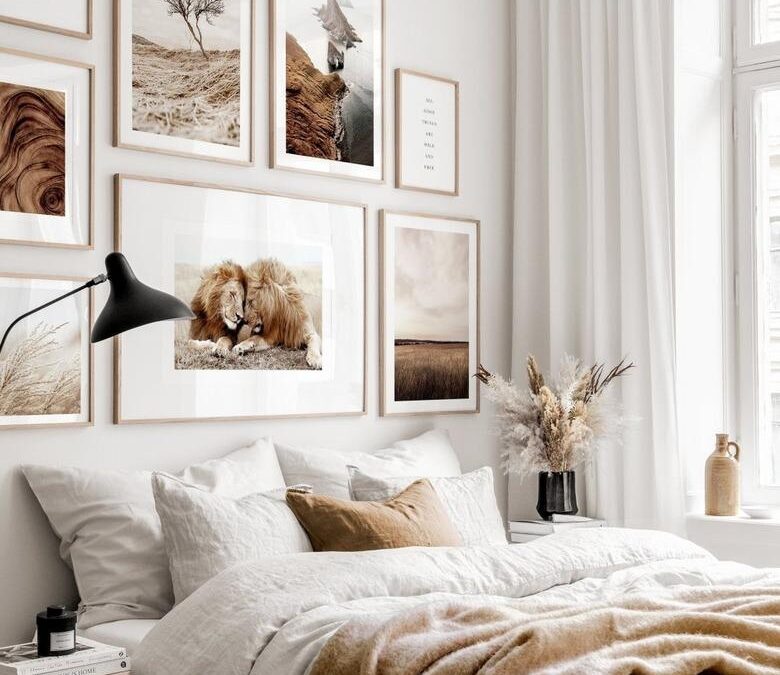
Selecting art for your room isn’t just about filling empty wall space—it’s about shaping the atmosphere you live in every day. The right piece can energize a dull corner, calm a busy environment, or tell a story that resonates deeply with who you are. Whether you’re decorating a cozy bedroom, a lively living room, or a creative studio, choosing art thoughtfully can transform your space from ordinary to unforgettable.
Let’s explore how to make those choices with confidence and intention.
Start with the Feeling You Want to Create
Before you even begin browsing artwork, take a moment to consider how you want your room to feel. Is it a peaceful retreat? A vibrant gathering place? A focused workspace?
Art has a powerful emotional language. Soft landscapes, abstract washes, and muted tones can create a calming atmosphere. Bold colors, expressive brushstrokes, or pop art-inspired pieces bring energy and excitement.
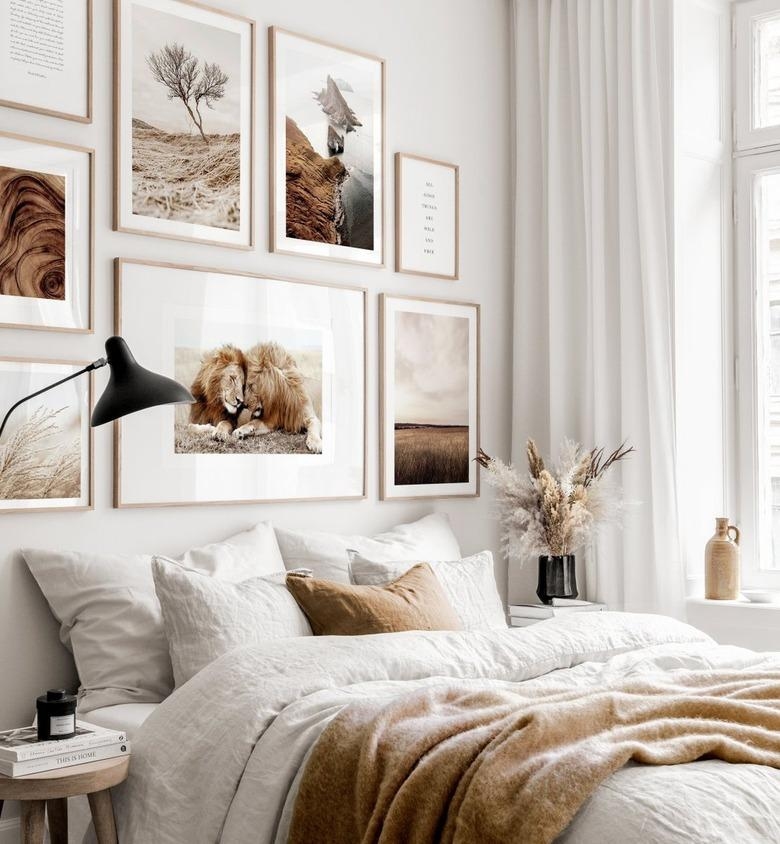
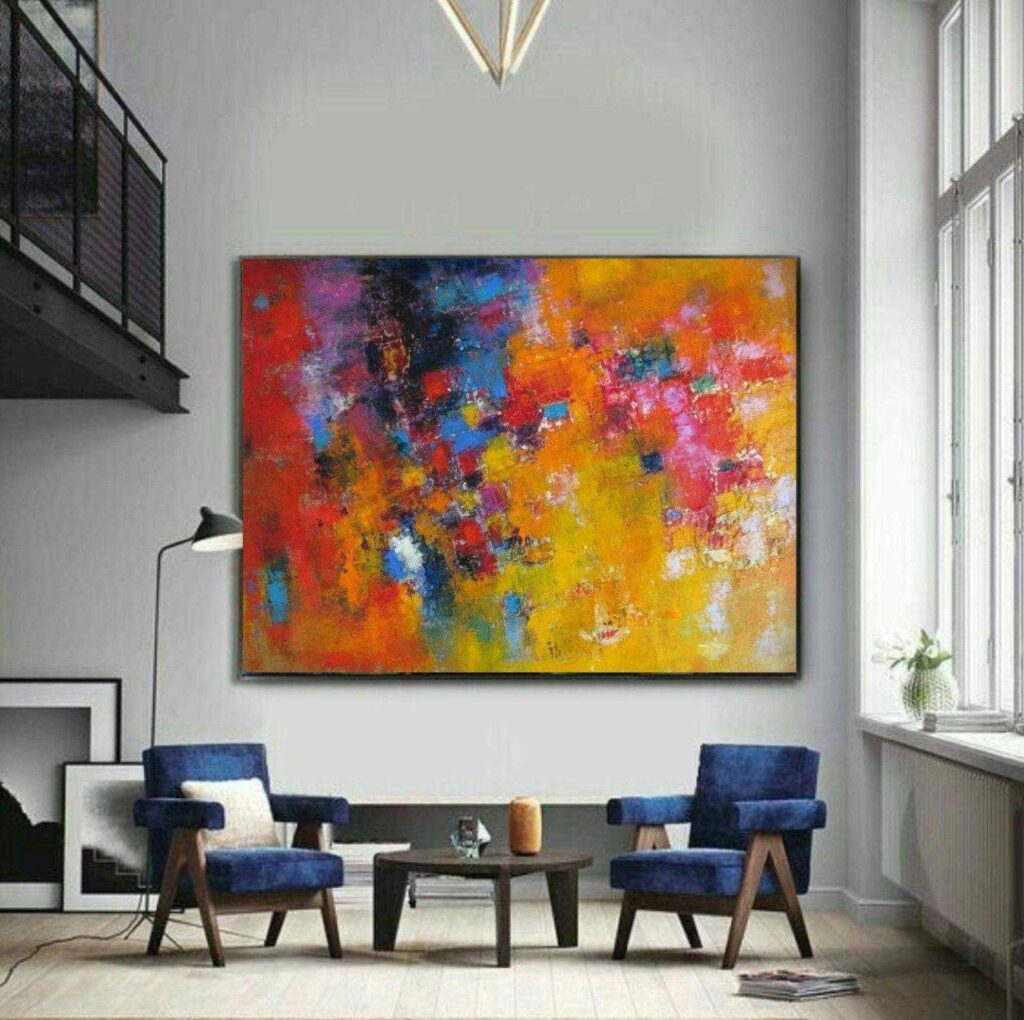
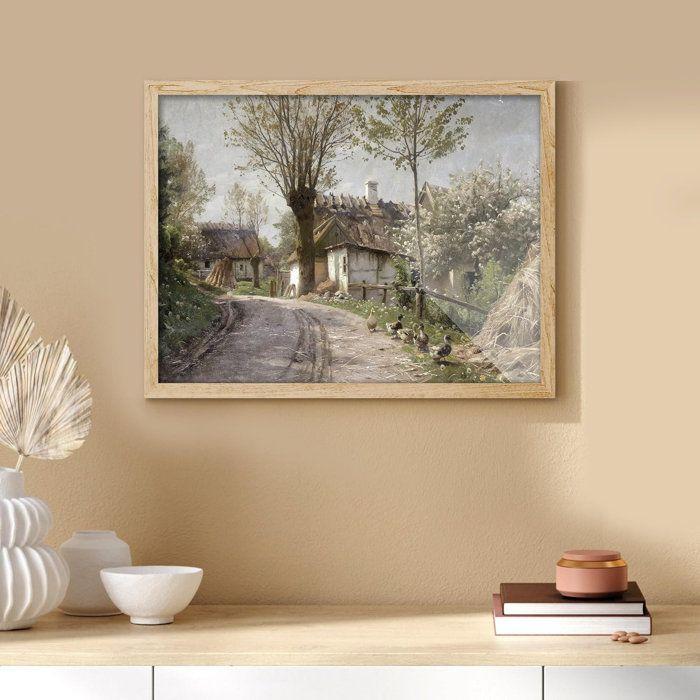
Think of art as emotional architecture—it builds the mood just as much as furniture or lighting.
Consider Your Existing Style and Décor
Your room already has a visual identity, even if you haven’t consciously defined it. Look at your furniture, textiles, and color palette. Are you leaning toward modern minimalism, rustic charm, vintage elegance, or eclectic mix?
The goal isn’t to match perfectly—it’s to complement.
- A modern space benefits from abstract or geometric art
- Traditional interiors pair beautifully with classical paintings or portraits
- Rustic rooms often suit landscapes or nature-inspired works
- Eclectic spaces can handle bold contrasts and mixed styles


Don’t be afraid of contrast—but make it intentional. A single unexpected piece can become the most compelling element in your room.
Size and Scale Matter More Than You Think
One of the most common mistakes is choosing art that’s too small. A tiny frame on a large wall often feels lost and disconnected.
Here are a few simple guidelines:
- Large walls call for large pieces or grouped arrangements
- Above a sofa or bed, aim for art that’s about 2/3 the width of the furniture
- Gallery walls can create impact when arranged thoughtfully
- Small spaces benefit from fewer, well-placed pieces


When in doubt, go bigger. Oversized art often feels more intentional and sophisticated.
Color: Harmony or Contrast?
Color plays a major role in how art interacts with your room.
You can approach this in two main ways:
Harmony:
Choose artwork that echoes the existing color palette of your room for a cohesive, calming effect.
Contrast:
Introduce a piece with contrasting colors to create a focal point and visual interest.


A useful trick is to pick up one or two colors already present in your room—like a cushion, rug, or curtain—and find art that incorporates them.
Let the Art Reflect You
Trends come and go, but the most meaningful spaces are personal. Choose art that resonates with your experiences, interests, and memories.
This could include:
- Artwork from local artists
- Pieces collected during travel
- Family photographs or custom prints
- Art that reflects your hobbies or passions


If a piece makes you pause, think, or feel something—it’s probably the right choice.
Placement and Lighting: The Finishing Touch
Even the perfect artwork can fall flat if it’s poorly placed or badly lit.
- Hang art at eye level (roughly 57–60 inches from the floor to the center)
- Use proper lighting—natural light, spotlights, or picture lights
- Avoid glare from windows or overhead lighting
- Give each piece enough breathing room


Lighting can elevate art dramatically, adding depth, texture, and focus.
Mix Mediums and Textures for Depth
Art doesn’t have to mean framed prints alone. Incorporating different materials can add dimension and interest to your space.
Consider mixing:
- Canvas paintings
- Photography
- Sculptural wall pieces
- Textile art or tapestries
- Mixed media works


Layering textures creates a richer and more dynamic visual experience.
Don’t Rush the Process
A well-curated room evolves over time. You don’t need to fill every wall immediately. In fact, leaving some space empty can make your chosen pieces stand out more.
Collect art slowly. Live with pieces. Rearrange them. Let your space grow naturally.
Final Thoughts
Choosing art for your room is both an aesthetic and emotional process. It’s about balance—between color and contrast, size and space, trend and personal meaning.
The best rooms aren’t perfectly styled—they’re thoughtfully lived in.
So take your time, trust your instincts, and choose pieces that make your space feel like yours.